
Brand ambassadors
Ambassador program software for DTC and ecommerce brands
Recruit the customers already posting about you, give every one a trackable link and a personal code, run campaigns that produce content, and pay out automatically — with revenue attributed back to the person who earned it.
4.8 on the Shopify App Store. Also runs on BigCommerce, WooCommerce, Wix, headless, and custom builds.
10%
of all direct-to-consumer sales came through the ambassador program inside twelve months
Blendtec
350M+
people reached with no ad spend and no paid influencers, across thousands of athletes
Salomon
5,400%
growth in program size, run by a two-person team in two to five hours a week
GoBe Kids
What Roster does
Ambassador program software built for ecommerce.
It replaces the spreadsheet, the manual discount codes, the DM thread where you chase shipping addresses, the commission reconciliation, and the year-end 1099 filing — with one system that also proves what the program returned.
Roster also runs affiliate and creator programs. This page is about the ambassador side.
The platform
Three pillars. Each replaces something you are doing by hand today.
Engage
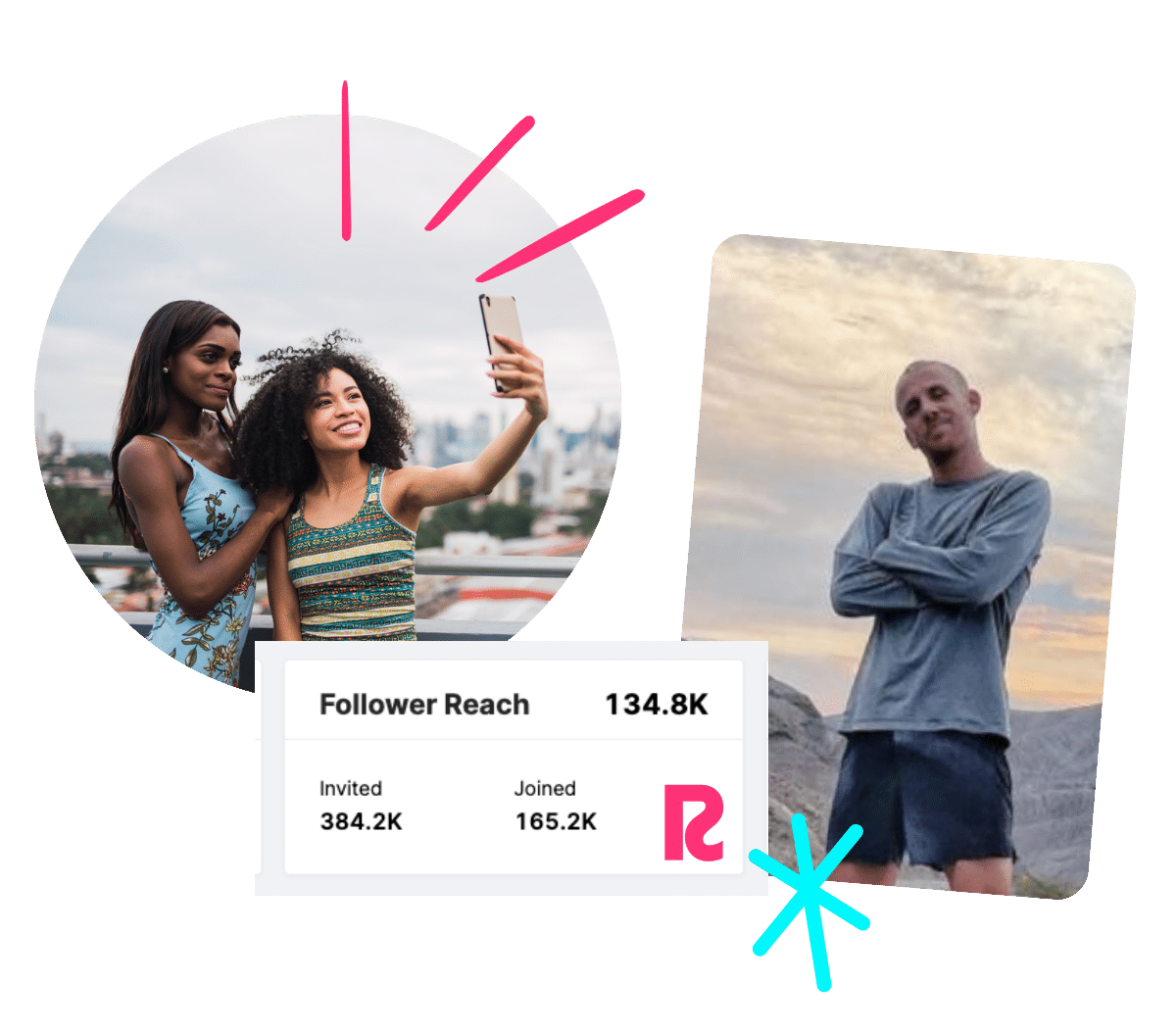
Embed a branded application form on your brand site and collect exactly the fields you need — size, region, sport, how they found you — as filterable data from the moment someone applies. Social listening surfaces the customers already tagging you who never applied.
Reward
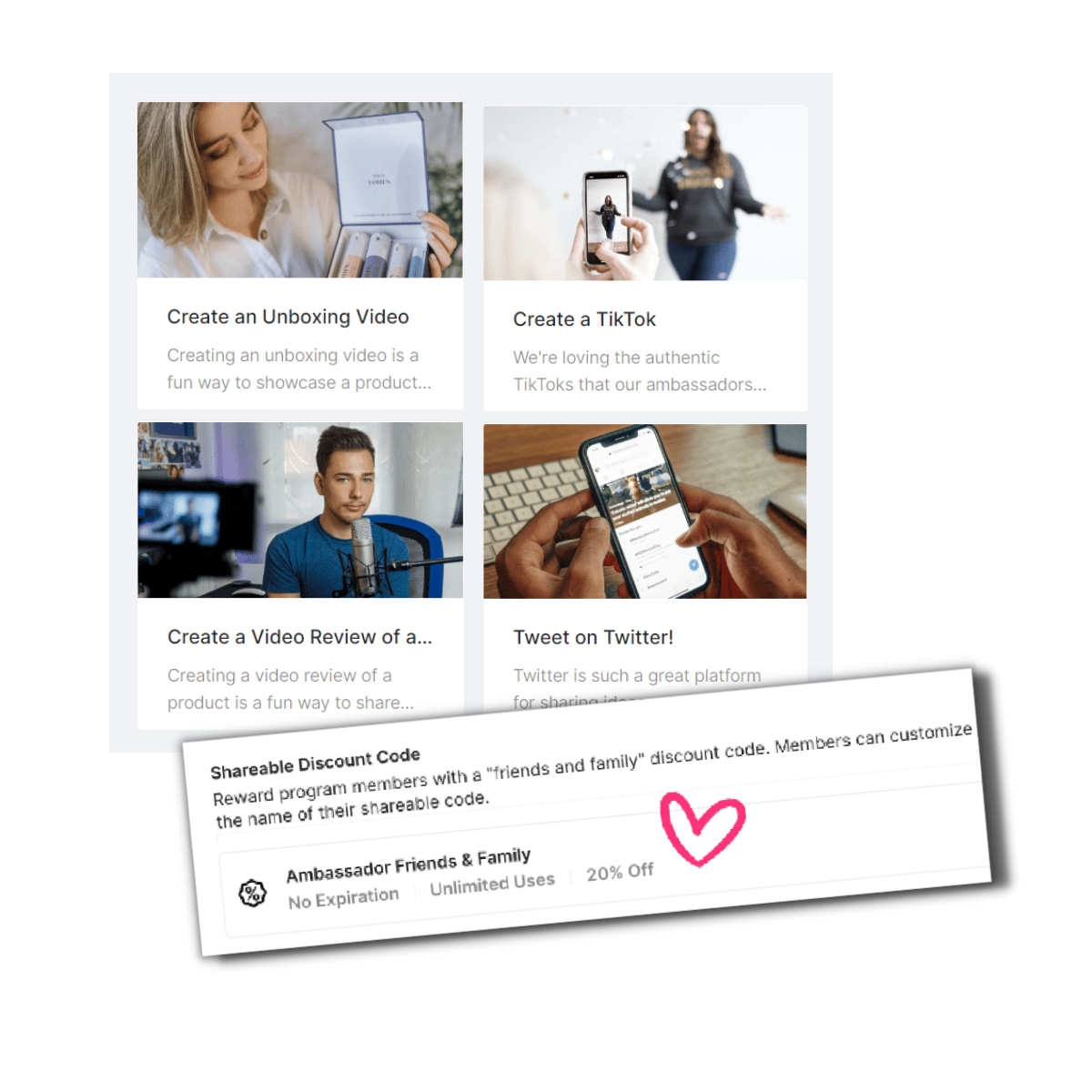
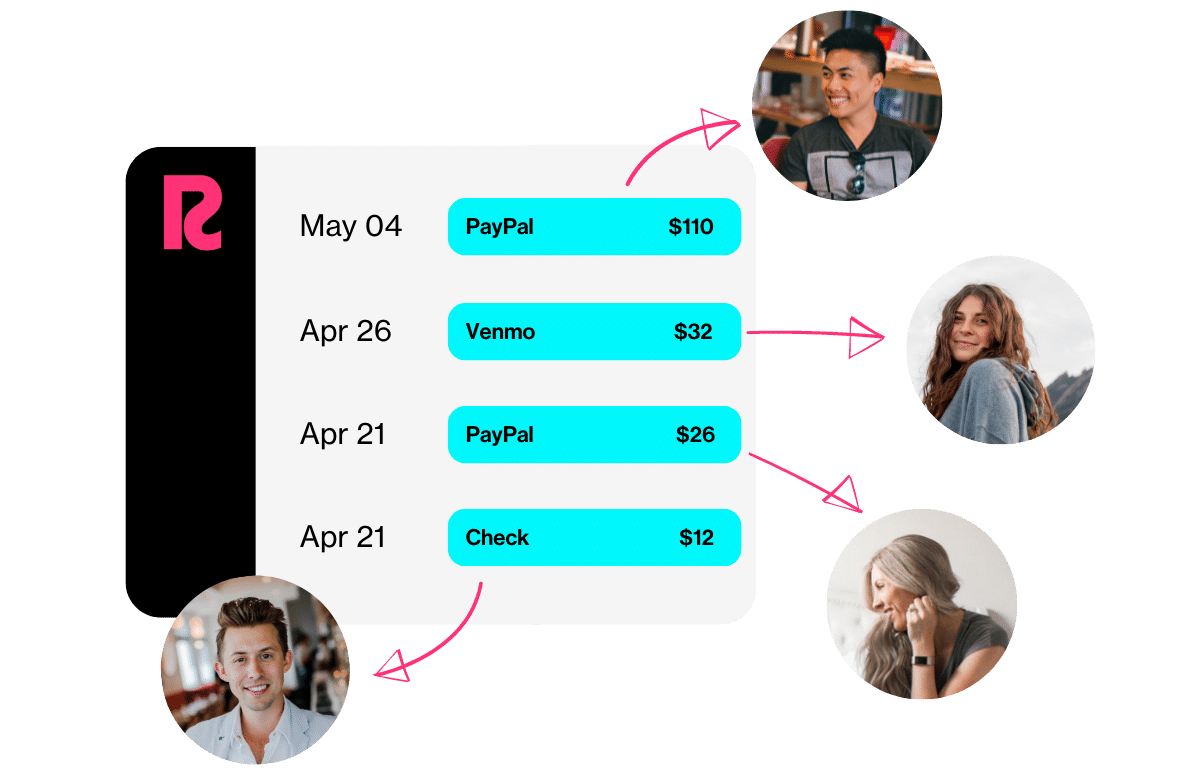
Points for referrals, actions, and campaign work, redeemed against milestone tiers you design. Product seeding that generates the Shopify order itself rather than a packing list for someone on your team. Commission paid out on the first Tuesday of each month.
Measure
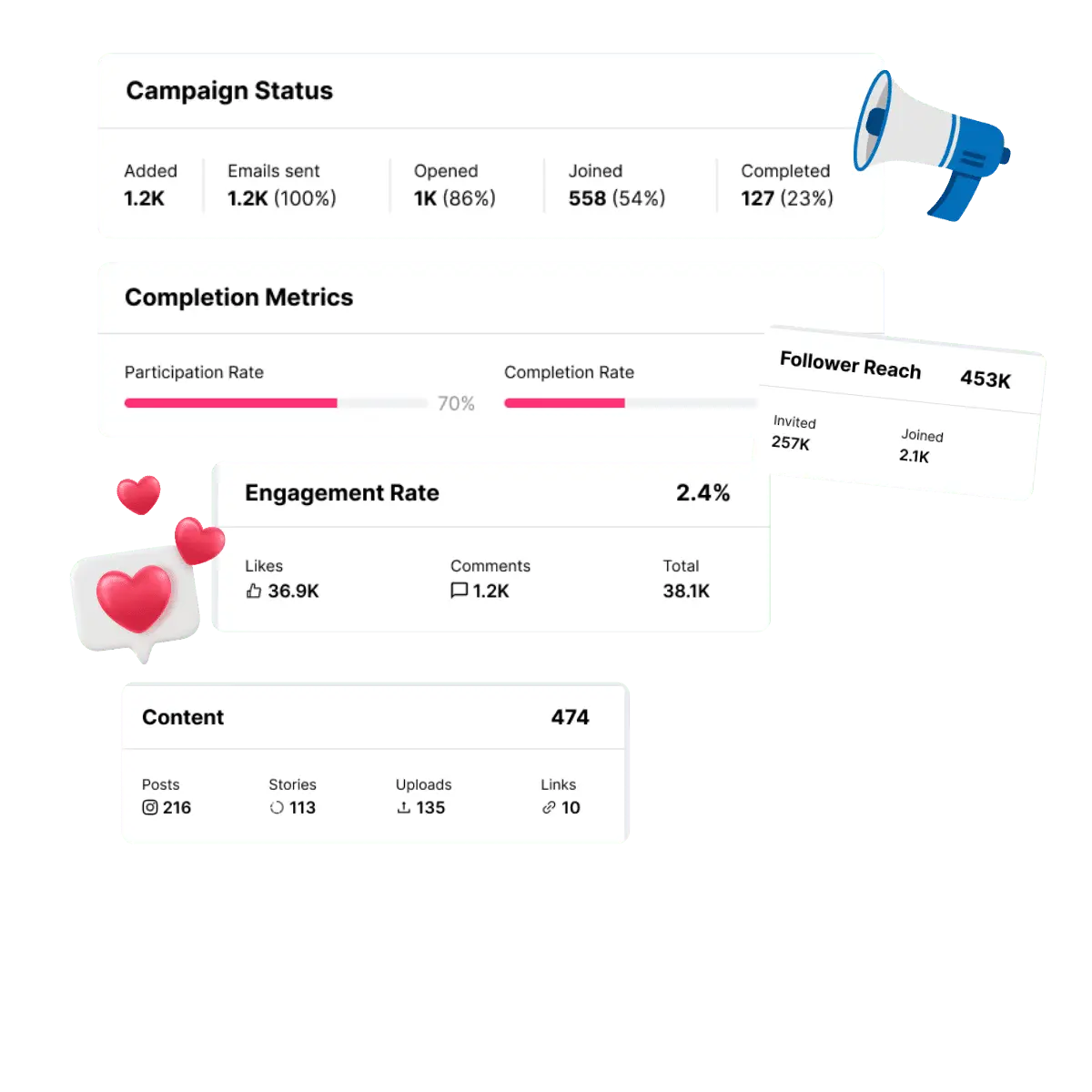
Every order is attributed through a published five-rule hierarchy covering referral links, shareable codes, recurring orders, and personal purchases — and the rule that fired is visible on the order itself. Commission disputes end with evidence rather than argument.
What comes with it
The features teams ask about on the first call.
Ambassador management
Segments, tags, tiers, bulk actions, and notes. Filter your roster by anything you collected on the application.
Referral tracking
A unique link and a personal discount code for every member, tracked to the order and to the payout.
Campaign management
Briefs, deliverables, due dates, submissions, and approval, with the content stored against the campaign.
UGC and usage rights
Collected content with rights attached, ready to hand to paid social without a separate rights chase.
Automated payouts
Bulk commission on a fixed monthly schedule, with tax collection and filing handled.
Branded portal
Your logo, your colors, magic-link access. Members see their link, codes, points, campaigns, and rewards in one place.
Separate program types
Ambassadors, affiliates, and creators run as distinct programs with their own economics and reporting.
Cart integrations
Deep Shopify integration plus BigCommerce, WooCommerce, Wix, headless, and a server-side API route.
Earned media value
Reach and engagement measured alongside attributed revenue, so social output is not invisible in the numbers.
How Roster compares to the alternatives
Most teams evaluating ambassador program software are choosing between three shapes of tool.
| An affiliate app | An influencer marketplace | Roster | |
|---|---|---|---|
| What it is built for | Commission tracking bolted onto your cart, for publishers | A database of creators to hire for campaigns | The whole relationship with customers who advocate for you |
| Recruiting | Sign-up form, no sourcing | Search a marketplace of strangers | Application forms plus social listening on existing customers |
| Campaigns and content | None | Campaign-shaped and one-off | Ongoing campaigns, briefs, content collection, usage rights |
| Rewards beyond cash | Commission only | Negotiated per deal | Points, tiers, store credit, and product seeding |
| Attribution | Link and code tracking, done well | Usually weak | Five documented rules, shown on each order |
| Social measurement | Invisible | Reach, rarely tied to revenue | Reach, engagement, and earned media value next to revenue |
| How cost scales | Per order or per affiliate | Per campaign, every time | A flat platform fee, not a share of what the program earns |
Brands running ambassador programs on Roster
Three programs, three very different shapes.
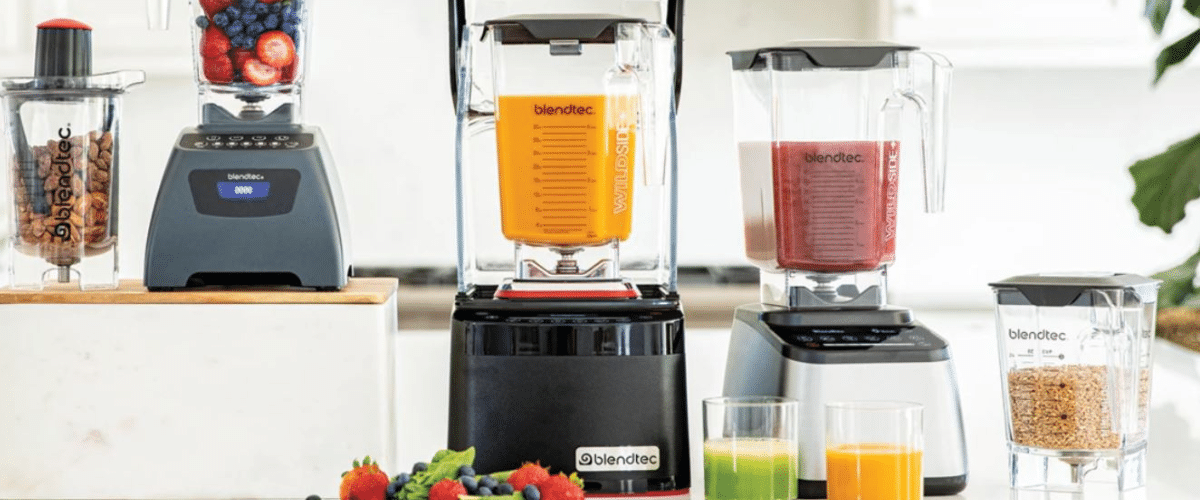 Blendtec10% of DTC sales from the ambassador program, zero to 100+ ambassadors in under a year.Read the case study
 Salomon26% of all UGC, 350M people reached without buying a single ad.Read the case study
 GoBe KidsTen people mentioning them to 550+ ambassadors, on a few hours a week.Read the case study
Works with the cart you already have
Shopify is the deepest integration, with pixels that install automatically and discount rules that sync both ways. Everything else is documented, with a server-side API route where you need one.
Is this the right fit for your brand?
Worth knowing before you spend time with us.
$1M+ in revenue
Or roughly 10,000 customers. Below that there usually are not enough advocates for a program to pay for itself.
A product people post about
Apparel, outdoor, food, beauty, and consumer goods work best. Considered purchases nobody photographs are harder.
Someone to own it
A few hours a week is realistic once it is running. Zero hours a week is not, for any platform.
A cart we can track
Shopify installs in minutes. BigCommerce, WooCommerce, Wix, and headless, with an API route as backup.
Ambassador program software FAQ
What is ambassador program software?
Ambassador program software is a platform for recruiting customers into an advocacy program, giving each one a trackable referral link and personal discount code, running campaigns that produce content, paying rewards or commission, and attributing the resulting revenue. It replaces the spreadsheet, manual code issuing, and commission reconciliation that most programs start with.
How is ambassador software different from affiliate software?
Affiliate software optimizes for commission rate and is built for publishers. Ambassador software has to handle people who are customers first, motivated by product, status, and belonging as much as cash, which means campaigns, product seeding, reward tiers, and content collection, not just link tracking. Roster runs both, in separate programs with their own referral economics and reporting.
Can we prove the program drove revenue?
Yes. Every order is attributed through a documented five-rule hierarchy covering referral links, shareable codes, recurring orders, and personal purchases, and the rule that fired is visible on the order itself. Blendtec attributed over 10% of their direct-to-consumer sales to their ambassador program. See how attribution works.
How many ambassadors do we need to start?
Most brands launch with between twenty and a hundred, recruited from existing customers. GoBe Kids went from ten people mentioning them to over 550 ambassadors. Volume matters less than picking people who actually use the product and post without being asked.
How much time does it take to run?
GoBe Kids spent between two and five hours a week across their whole program. The work that consumes time in a manual program, such as issuing codes, chasing addresses, reconciling commissions, and filing 1099s, is the part Roster automates.
Does it work if we are not on Shopify?
Yes. Shopify is the deepest integration, with pixels that install automatically and discount rules that sync both ways. BigCommerce, WooCommerce, Wix, headless builds, and generic sites are all documented, with a server-side API route where you need one.
Does Roster handle tax forms and payouts?
Yes. Commission is paid out in bulk on the first Tuesday of each month, and W-9 collection and 1099 filing are handled for you rather than landing on your finance team in January.