
Home/Case studies/Blendtec
Case study - Home goods and food services
How Blendtec's ambassadors drove 10% of all ecommerce sales in 12 months
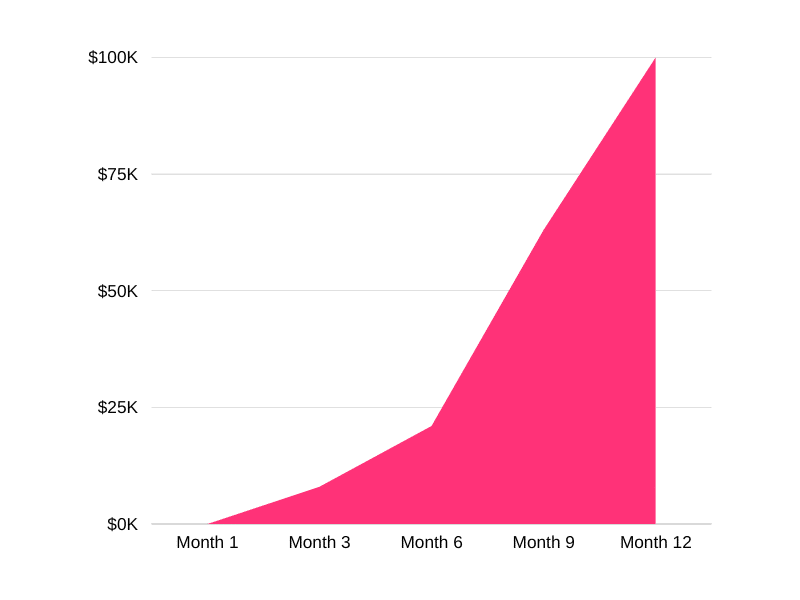
Blendtec created an entirely new sales channel out of the customers who already loved the product. Within a year, ambassadors were generating more than a tenth of the brand's direct-to-consumer revenue.
Results within 12 months
Background
The best blenders in the world, and nobody knew
Blendtec had come a long way from its 1970s inception, when its founders set out to build a better wheat mill. The company went on to introduce a commercial-grade blender for everyday cooks, far sturdier and more robust than competing models.
The problem was not the product. As the team put it: "We make the best blenders in the whole world. But no one really knows about us."
Blendtec already knew word of mouth was a huge part of its success, so the company invested in building a passionate ambassador community around social content. Once that community existed, the next step was empowering it to drive ecommerce sales directly through the website.
The goals
Three reasons Blendtec partnered with Roster
Track and grow sales
Attribute revenue to individual ambassadors instead of guessing at the value of word of mouth.
Optimize and manage awareness
Grow social reach deliberately rather than hoping the community kept posting.
Try something new and measure it
Test a channel the company had never run before, and be able to judge whether it worked.
The solution
One recruitment form, three communities
Blendtec partnered with Roster to create and power new influencer, ambassador, and advocate programs. Using the platform, the team identified customers who already loved and talked about the products, then empowered them to share recommendations and discounts.
A single recruitment form fed all three tiers. Influencers carried the largest social reach and included professional chefs and bloggers. Ambassadors were existing customers active on social media, and even customers with small followings were welcomed in. Advocates covered everyone else who wanted to take part.
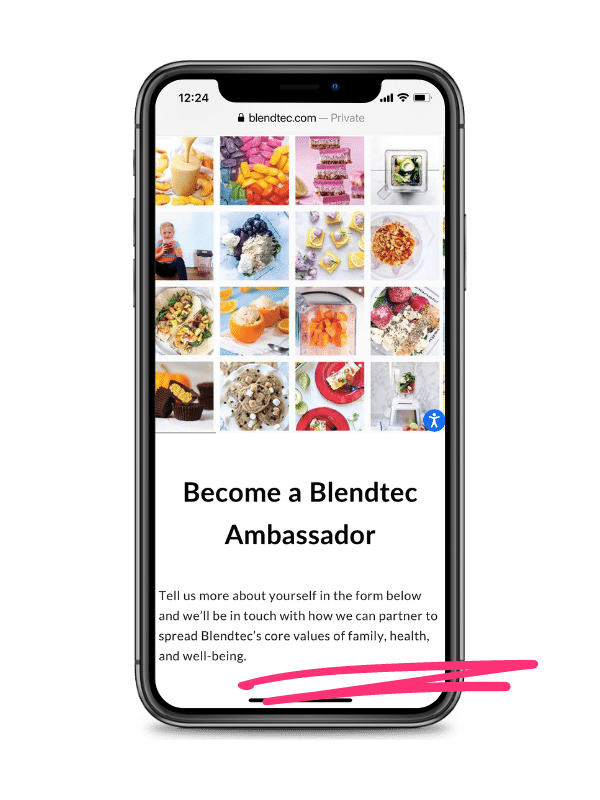
Roster has been insane for us. We sell more than 10% of our direct-to-consumer sales through Roster. Blendtec Ambassador program
The results
A new distribution channel, built from existing customers
Blendtec could track overall sales performance and see each ambassador's individual results. Every referral and personal purchase was attributed through individual links and discount codes, and participation metrics like engagement, activities, and content produced were used to reward performance.
Social following grew sharply alongside it. More than 18 million people were exposed to Blendtec's message through the ambassador and influencer community. In less than a year, the company went from zero brand ambassadors to more than 100, creating a distribution channel that had not existed before.
Why Roster
Three programs cannot run on spreadsheets and email
Running multiple overlapping programs was impossible with spreadsheets, email threads, or a simple affiliate app. Roster automated every stage so Blendtec could scale quickly.
A branded portal engaged ambassadors, streamlined communication, and made program performance transparent. Automation removed 85% of program management by handling applications, emails, links, codes, and reporting. Sales and social lived in one consolidated platform, and the CRM underneath meant the program could keep growing without the admin growing with it.
Roster has been super patient with us. They got us set up and are always optimizing to meet our needs, reach goals and beat benchmarks. Blendtec Ambassador program
Key takeaways
What made the difference
- The community already existed. Blendtec's advantage was recognizing that its customers were already advocates, and giving them a way to sell.
- Small followings still converted. Customers with modest social audiences were welcomed into the ambassador tier, and the program did not depend on a handful of large creators.
- Attribution made rewards fair. Individual links and discount codes meant performance could be measured per person and rewarded accordingly.
- Automation was the scaling condition. Cutting 85% of program management is what made three concurrent programs viable for one team.
FAQ
Frequently asked questions
Keep reading