The best brands are capitalizing on the trust and value of user-generated content.
Challenge: People are losing trust in ads.
People believe and trust friends, relatives, and even complete strangers more than ads.
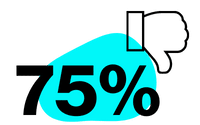
or three out of every four consumers do not believe or trust ads.
HUBSPOT
of consumers believe recommendations from friends and family over all forms of advertising.
NIELSEN
Strategy
Most folks prefer content made by everyday people rather than businesses. So, savvy companies are tapping into this, using their customers’ content to reach more people and boost brand awareness
UGC cuts creative costs in half. What’s more, it spikes conversion rates by 4.5%. Simply because people trust it!
Solution
Both Blendtec and Purple Mattress took action swiftly with ambassador programs in partnership with Roster. These programs were tailor-made to target UGC, guiding fans to create and share their brand-focused content.
Initiatives and objectives
The companies rolled out specialized programs, each with its own set of unique goals and KPIs. The primary focus was to inspire their communities to craft and share content online.
Scale word-of-mouth
Encourage user-content with specific ambassador campaigns and incentives.
Social impact
Work with ambassadors to share content, leverage their network, and improve conversion rates.
Repurpose UGC
Incorporate the content into social channels, websites, and other marketing material.
For every 1,000 members in an ambassador program, an estimated $1.9M in advertising value may be generated.
KREDIBLE
Purple Mattress started a content pipeline
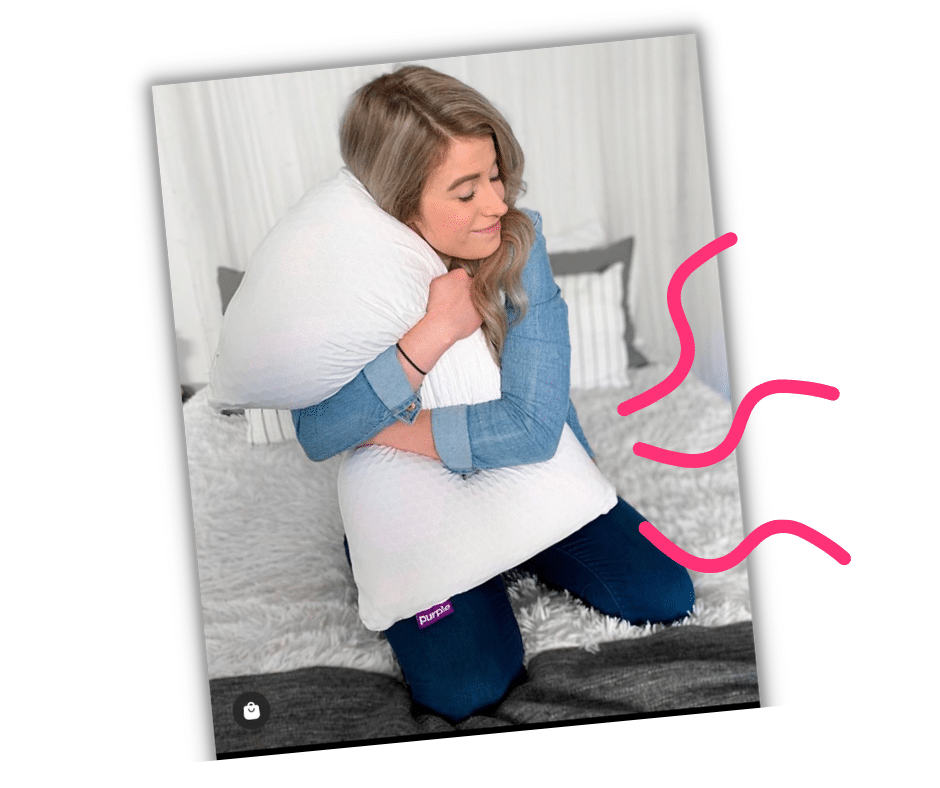
Using the Roster platform, Purple turned their most passionate customers into brand champions. Eager to get UGC, these champions readily shared their unique content, enhancing Purple’s visibility and interaction with fans.
Additionally, Purple consistently launched campaigns to gather a treasure trove of genuine images, optimizing their marketing efforts.
Ignited word-of-mouth marketing
The Roster platform streamlined the management of their ambassador program. Organic marketing grew exponentially.
Customer collaboration was 85% more efficient than the company’s influencer programs.
Huge social impact
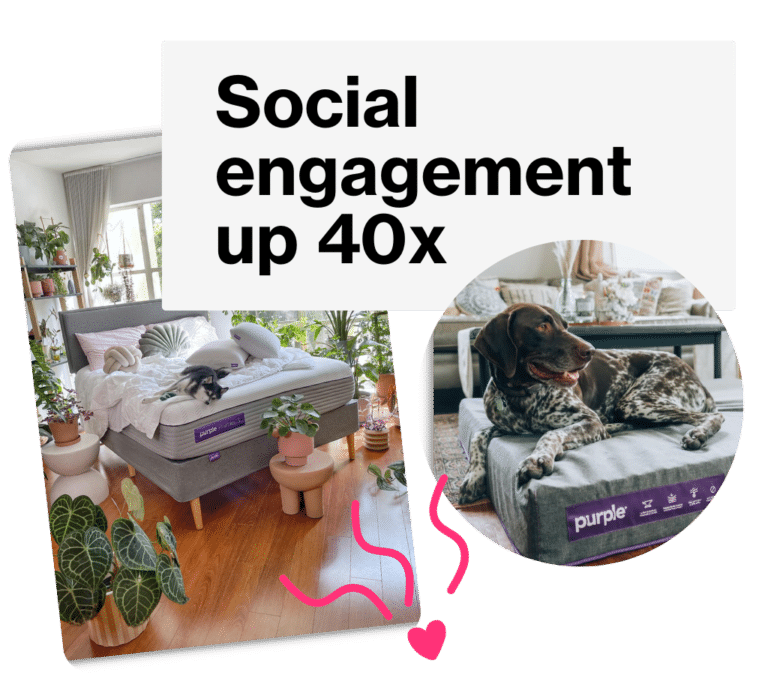
After the first six months with Roster, Purple saw a dramatic increase.
Over six months, brand ambassadors submitted more than 500 user-generated images and published hundreds of social media posts. The earned media value of the user content initiative was almost $300k.
Repurposing content
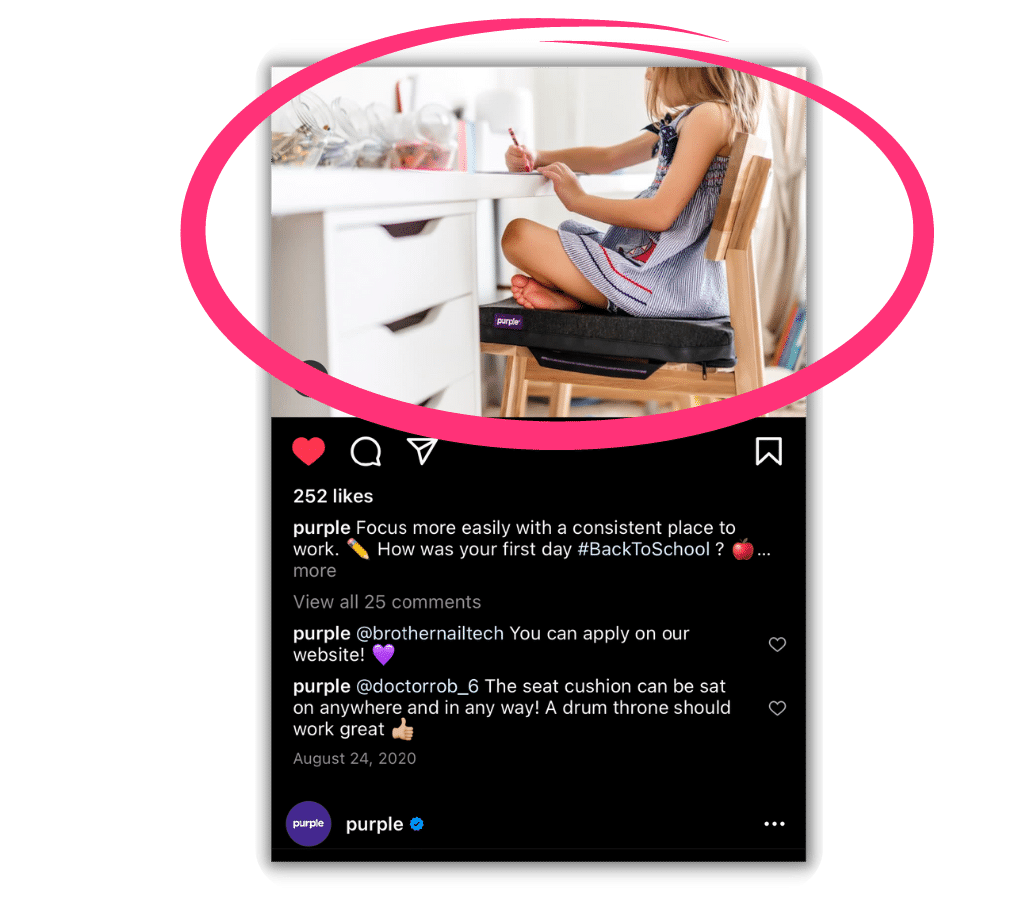
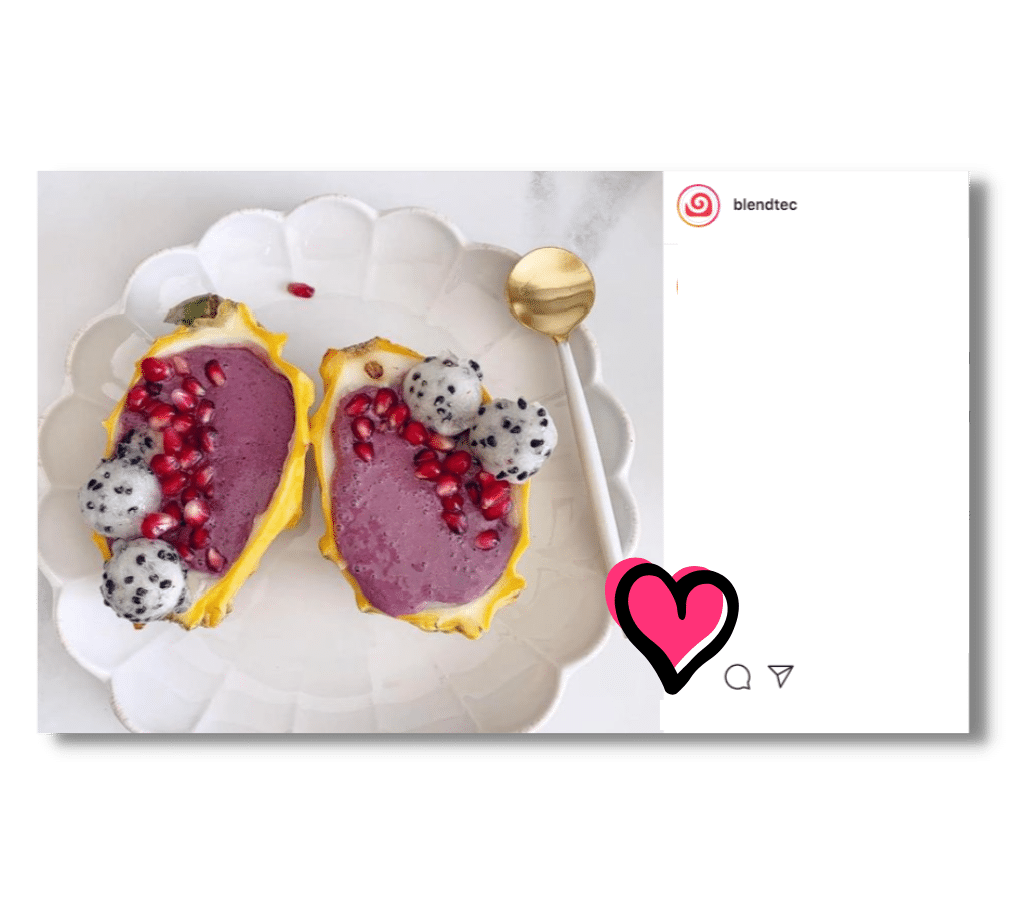
Content shared by ambassadors was repurposed continually on @purple and purple.com.
The company regularly featured ambassador material in their Instagram feed.
Advertisements that feature UGC have a 4x higher click-through rate than regular ads.
SHOPIFY
Blendtec built brand affinity with UGC
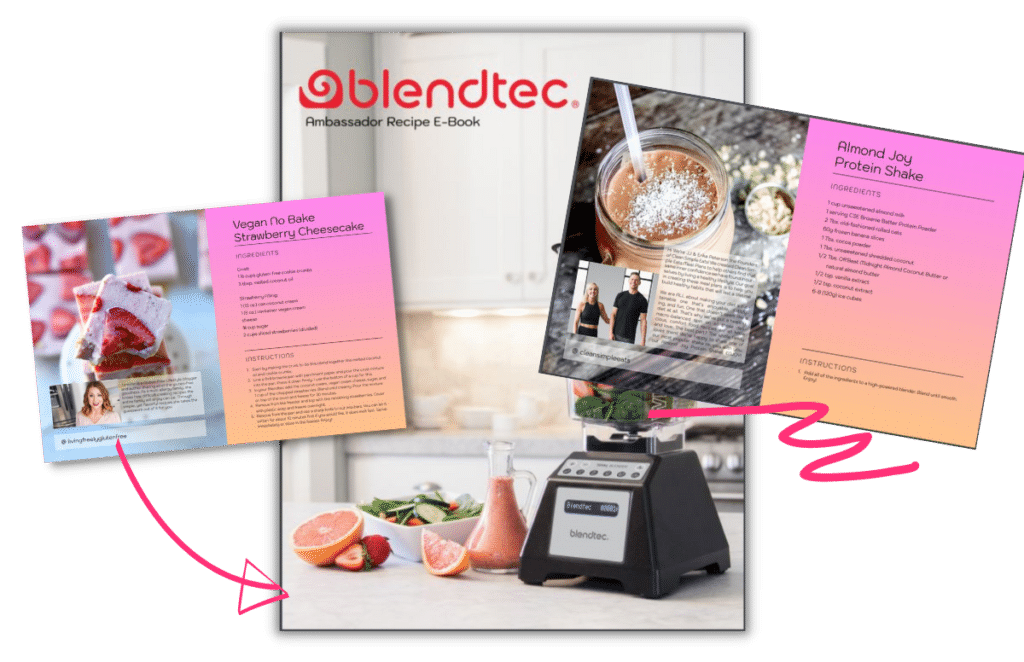
The ambassador programs cultivated a vibrant collaborative community. The massive volume of user-generated content inspired a digital recipe book.
Blendtec included a prompt after purchase, urging customers to share a picture of their new blender on Instagram with the hashtag #blendtecfam. Upon sharing, customers received the Ambassador Recipe Book. And around it went!
Boosting awareness
Blendtec tapped into Roster, the best UGC software, to connect with brand advocates and influencers.
The result? A significant boost in organic reach and engagement, all thanks to authentic content. A smart move by Blendtec!
Impressions were58% higher than brand-only marketing.