
Creators and influencers
Influencer marketing software for ecommerce brands
Run paid and gifted creator collabs alongside your ambassador program — briefs, product seeding, content with usage rights, and every post attributed back to revenue rather than to likes.
Instagram, TikTok, Facebook, and X. Works with Shopify, BigCommerce, WooCommerce, and custom builds.
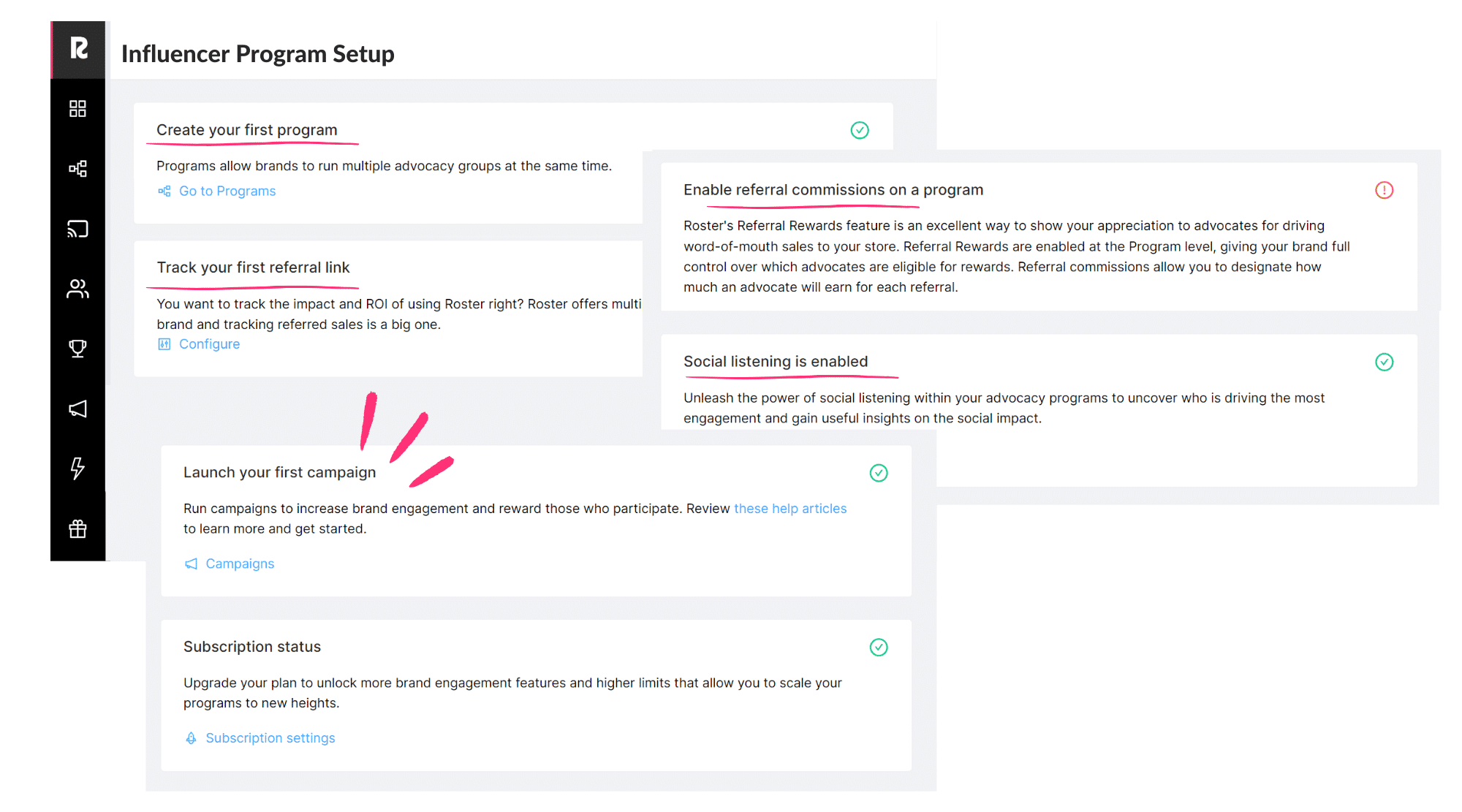
What is an influencer program, and how is it different from a campaign?
An influencer campaign buys a set of posts from creators you hire. An influencer program is an ongoing roster of creators you work with repeatedly — briefed, seeded, rewarded, and measured in one place.
The economics differ sharply. A campaign cost resets every time. A program compounds, because the creator already knows the product, already has a link, and already has a reason to post again.
Roster is built for the second model. There is no marketplace of strangers to browse — the premise is that the creators worth keeping are usually the ones already tagging you, and social listening is how you find them.
Why creator programs stay stuck at campaign level
Three things break before the relationship gets a chance to compound.
Briefs live in DMs
A brief in a message thread produces content in nine aspect ratios with nothing in common, and none of it fits a paid placement.
Nobody wrote down the rights
If usage terms were a handshake, your paid team cannot touch the asset. The best-performing organic post stays organic forever.
Reach is the only number
Impressions do not survive a budget conversation. Without attribution to orders, the program is judged on vanity metrics and cut on them too.
How Roster runs a creator program
Four stages, from finding people to proving what they returned.
Stage one
Find creators who already post
Full Social Listening pulls in Instagram posts, reels, and TikTok videos from public accounts that mention your brand — including people with no relationship to your program. Filter the Social Feed by No Program to isolate organic mentions, then nominate the ones worth having.
Social listening →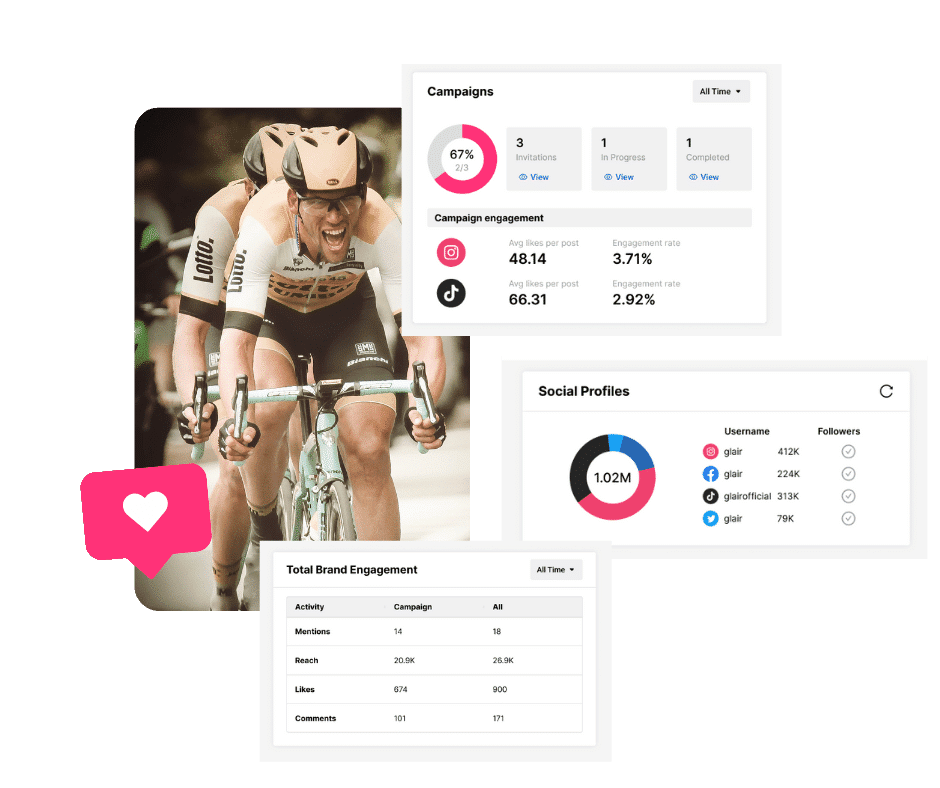
Stage two
Give them a real portal
Creators sign in with a magic link — no password, no app. Their referral link, code, open campaigns, briefs, actions, and rewards sit on one screen. Someone representing several Roster brands switches between them from one identity and one wallet.
The creator portal →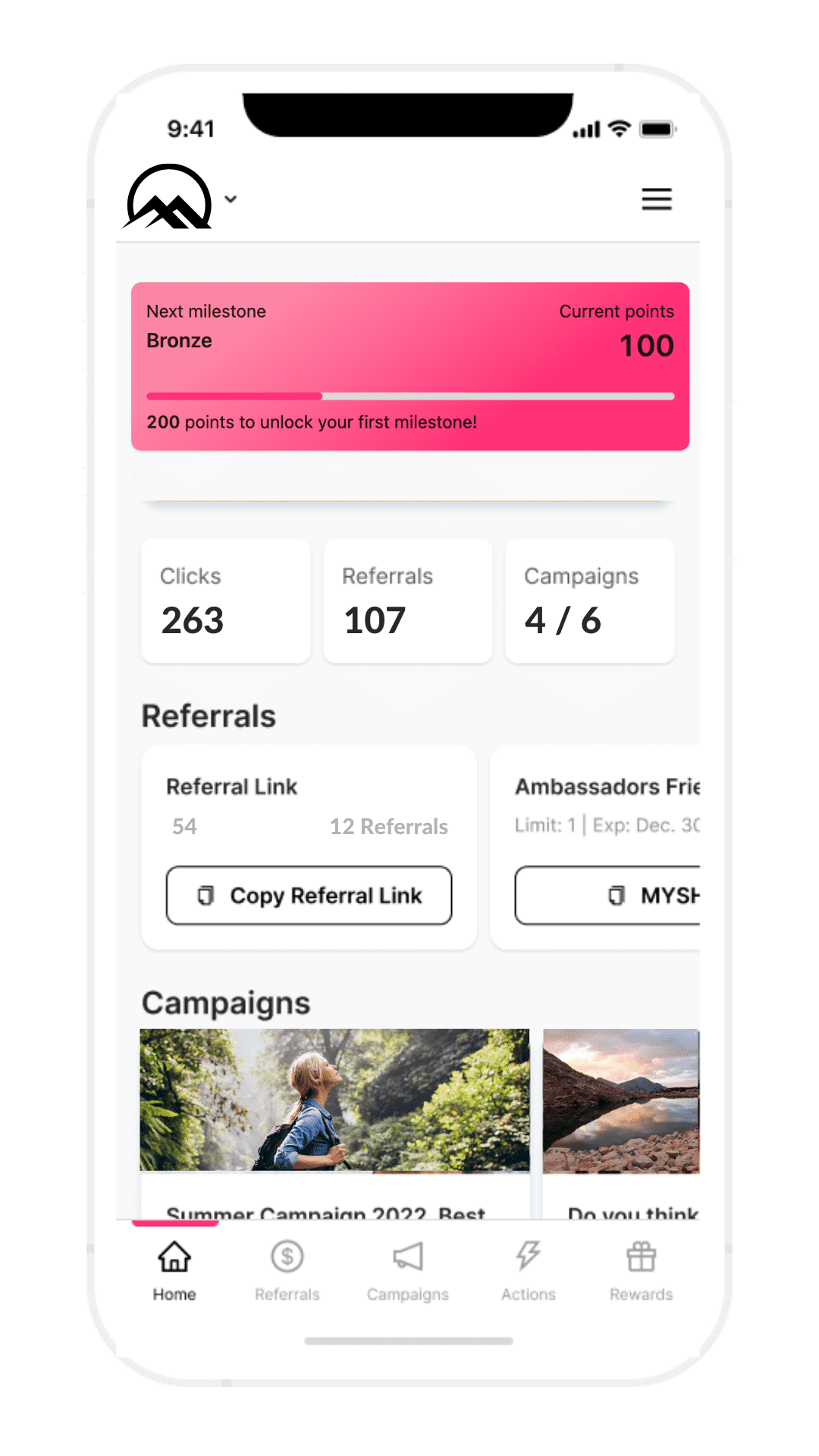
Stage three
Seed product and brief the work
Product seeding campaigns let creators choose from a curated selection and generate the Shopify order automatically. The brief carries your guidelines, reference examples, the deliverable format, and the usage rights — agreed as a condition of the reward, not as a handshake.
Product seeding and UGC →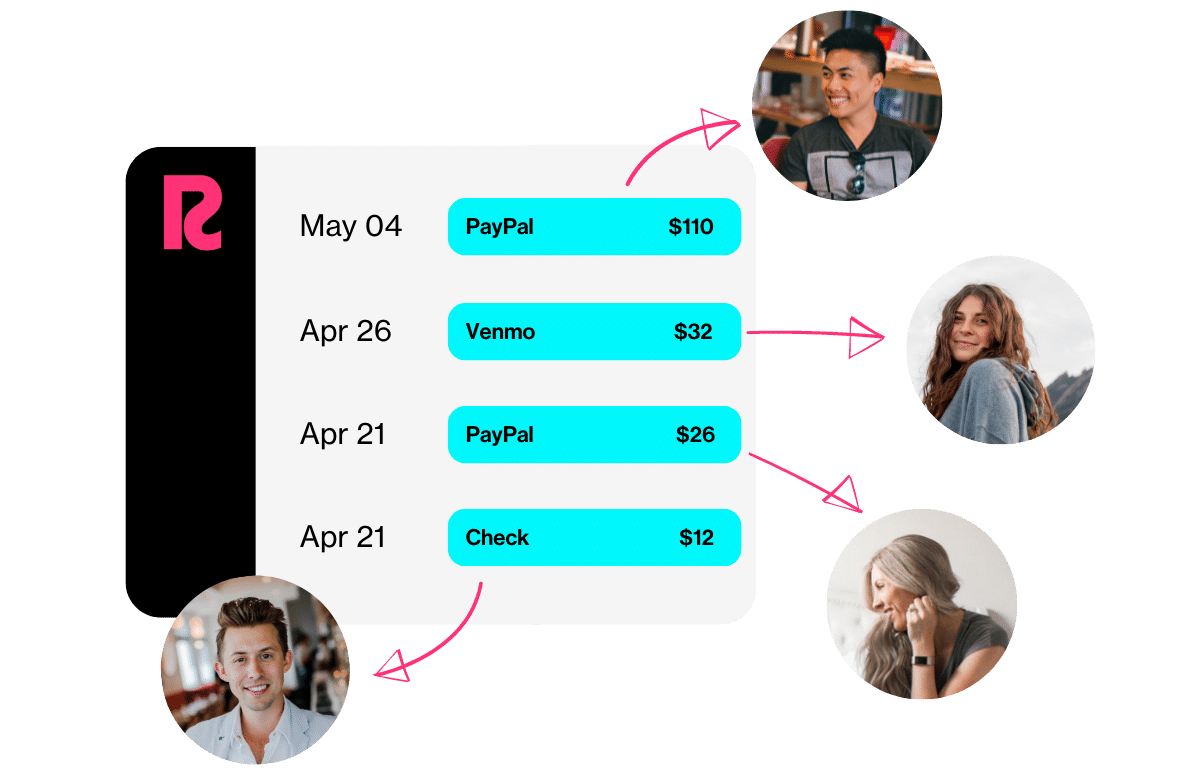
Stage four
Measure past the likes
Every post lands in one feed with reach, impressions, engagement, and a dollar earned media value based on CPM rates you set. Alongside that sits referred revenue attributed through a published five-rule hierarchy, so reach and sales appear in the same report.
Social feed and earned media value →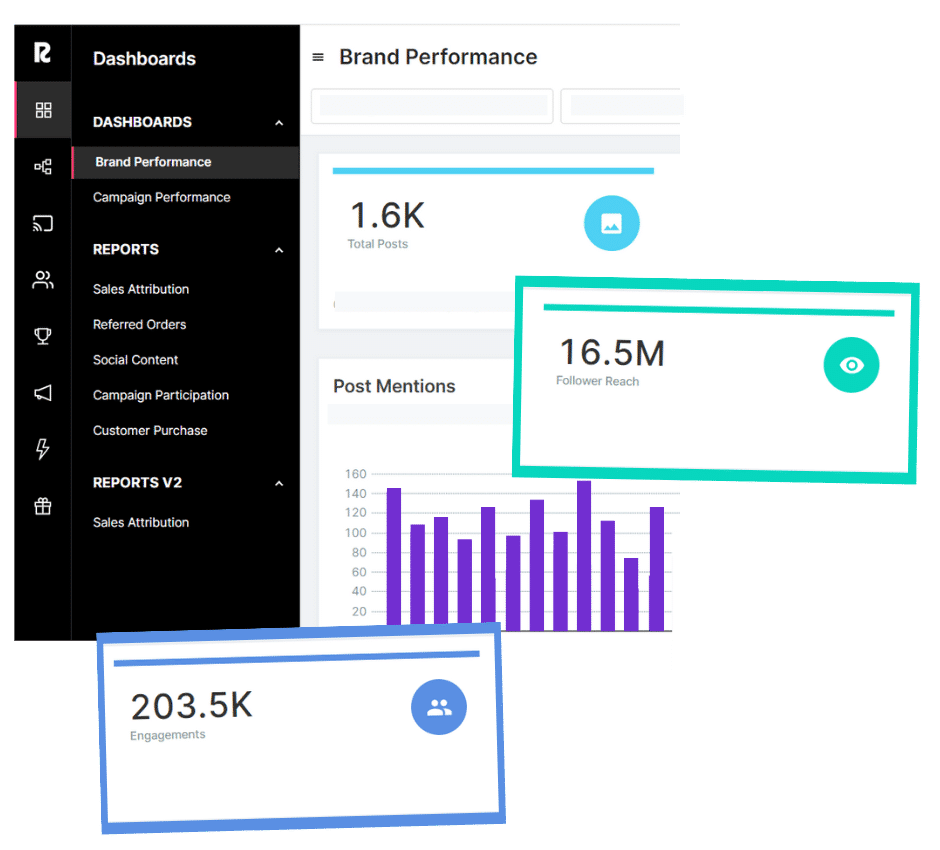
What you are probably comparing this against
An honest read on where each option stops.
An influencer marketplace
A searchable database of creators to hire- Good for finding strangers with reach
- Relationships are campaign-shaped, not ongoing
- Attribution to revenue is usually weak
- Your own customers are not in the database
- Cost resets with every campaign
An agency retainer
Someone else runs it for you- Useful when you have no internal owner
- Relationships live with the agency, not you
- Reporting arrives monthly, in their format
- Hard to scale past the retainer
- No platform left behind if you stop
Roster
Creators, ambassadors, and affiliates in one account- Social listening finds creators already tagging you
- Briefs, seeding, and usage rights in one place
- Earned media value alongside referred revenue
- Automated payouts with tax handling
- The roster and its history stay yours
Brands running this today
Three programs, three very different shapes.
 350M+ reach
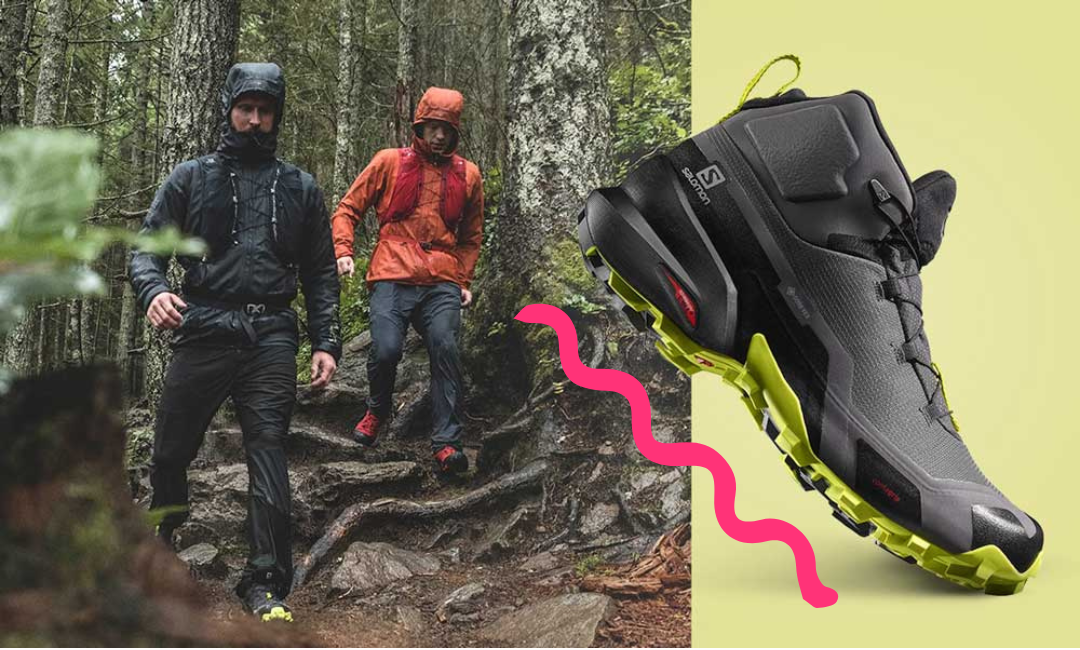
Moved a worldwide athlete program off spreadsheets and reached 350M people without buying a single ad.
Salomon · Outdoor apparel
350M+ reach
Moved a worldwide athlete program off spreadsheets and reached 350M people without buying a single ad.
Salomon · Outdoor apparel
 A UGC engine
Turned customers into a steady supply of content the paid team could actually license and run.
Purple Mattress · Home goods
A UGC engine
Turned customers into a steady supply of content the paid team could actually license and run.
Purple Mattress · Home goods
 10% of DTC sales
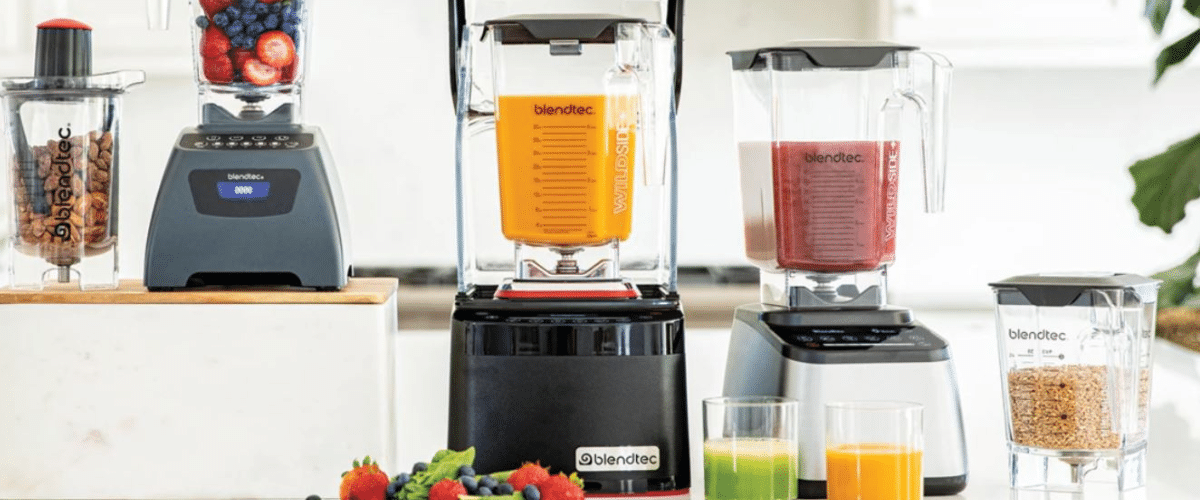
Built a new sales channel from existing customers, from zero to over 100 ambassadors in under a year.
Blendtec · Home goods
10% of DTC sales
Built a new sales channel from existing customers, from zero to over 100 ambassadors in under a year.
Blendtec · Home goods
Is this the right fit for your brand?
Worth knowing before you spend thirty minutes with us.
$1M+ revenue
Or roughly 10,000 customers. Below that there usually are not enough advocates for a program to pay for itself.
A product people post about
Apparel, outdoor, food, beauty, and consumer goods work best. Considered purchases nobody photographs are harder.
Someone to own it
A few hours a week is realistic once it is running. Zero hours a week is not, for any platform.
A cart we can track
Shopify installs in minutes. BigCommerce, WooCommerce, Wix, and headless are documented, with an API route as backup.
Pricing starts at $599 per month, with a discount for paying annually.
Influencer marketing FAQ
Does Roster include a database of influencers to hire?
No, and that is deliberate. Roster finds creators already mentioning your brand through social listening, then lets you nominate them. If you need to hire strangers at scale, a marketplace is the better tool — many brands run both.
Do we own the content creators produce?
Not automatically. Set usage terms explicitly in the campaign brief and make agreement a condition of the reward. Platforms do not grant you rights; your brief does.
Which platforms can we track?
Instagram posts, reels, and stories, TikTok videos, Facebook posts, and X. Capture conditions differ by platform — Facebook needs an @mention at publish time, and X posts are pulled when the creator refreshes the campaign or action.
How do you value a post?
Earned media value multiplies impressions and engagement by CPM rates you control per network and post type. Where a network withholds data, Roster models the estimate from real ambassador post ratios segmented by post type and follower tier, and labels it as an estimate.
Can we pay creators through Roster?
Yes. Automated monthly payouts with tax forms handled, PayPal and Venmo batches, or commission calculation only if you would rather pay through your own system.
Can creators and ambassadors be in the same program?
No — keep them separate. A creator program skips personal discounts, points, actions, and milestones because those are not what creators respond to. Roster ships templates for each.