A
Advocacy marketing
Advocacy marketing is a marketing strategy that turns your most enthusiastic, supportive customers into evangelists for your brand. It gives your brand the ability to influence how your customers discuss your brand with others. Brands can harness the power of advocacy marketing by encouraging customers and fans to share positive experiences with others. Customers act as your brand influencers, spreading the word about your products and services.
Affiliate
An affiliate is an individual or entity promoting another company’s products or services and earning a commission for any sales. The affiliate earns a commission for each sale made due to their promotion. This marketing relationship helps businesses increase their reach and sales without spending money on advertising. In the affiliate marketing model, the company gives the affiliate marketing materials like links and banners, which the affiliate then uses to tell their audience about the business’s products or services. If someone clicks on the affiliate’s link and makes a purchase, the affiliate earns a commission on the sale.
B
Brand ambassadors
Brand ambassadors are people who represent and advertise for a company. They serve as the embodiment of a brand’s overall identity through actions, words and social media posts. You can think of brand ambassadors as buzz creators who leverage their social networks and people skills to create interest and engagement for a brand in an honest, authentic way.
Brand ambassador marketing
Brand ambassador marketing is a marketing strategy that allows brands to reach their target audience in the most trusted, authentic way possible. Brands harness the influence of brand ambassadors—people who represent their brand, product or service—and use them to market through face-to-face marketing strategies, especially on social media. Brand ambassador marketing, when done correctly, always has the edge over paid advertising campaigns due to the authenticity and credibility of the people involved. Today’s consumers are far more likely to believe what they hear from people they see as peers or experts, rather than the messages of paid advertising campaigns. Dive deeper…What is ambassador marketing?
Brand ambassador marketing measurement
Brand ambassador marketing measurement reflects the ROI of an ambassador’s efforts to generate buzz for a brand. Brand awareness campaigns aren’t cheap, especially long-term campaigns. Marketers must measure how the brand ambassador program relates to key KPIs, like Lifetime Value of customers acquired by brand ambassadors, the Customer Acquisition Cost, brand awareness and website traffic. By getting an overall look at the effectiveness of a brand ambassador marketing campaign, marketers can enhance brand awareness and loyalty, and meet KPIs. Continue reading…
Brand ambassador program
A brand ambassador program involves developing and nurturing long-term relationships between your brand and the people who love it. Programs often focus on specific goals, like increasing sales, building brand awareness, etc. Ambassadors promote your brand to their following—whether on online on social platforms or blog posts, or offline at events or trade shows, or both—to help your brand accomplish specific goals.
Brand ambassador program tracking
Brand ambassador program tracking involves monitoring the actions of your ambassadors and the engagement that comes from their efforts. Most brands find it’s easiest to use software analytics platforms to bring important metrics together, including the frequency of posts; impressions and engagements; reposts and shares; and brand reach and inbound traffic. Brand ambassador tools can also facilitate communication with ambassadors, so you can easily manage the key components of your program. Read more…
Brand ambassador software
Brand ambassador software helps ecommerce brands recruit ambassadors from their customers, reward them for content and sales, and measure what each one drives. The best brand ambassador software runs the whole program in one platform, from applications to payouts.
Brand ambassador tools
Brand ambassador tools are features that are built into on-demand brand ambassador software. Some of the key tools include communication platforms that promote employee-brand relationships; providing rewards for commenting, sharing, reviewing, etc.; monitoring the engagement and ROI of marketing campaigns; integrating with related platforms like PayPal, HubSpot, MailChimp, etc.
C
Creator discovery
Searching for creators who fit your brand by audience, category and performance. In Roster, Creator Discovery covers Instagram and TikTok, and on TikTok includes sales data like GMV and units sold.
Creators
In the area of influencer marketing, a creator is a person who produces content such as digital photography or videos and shares it mainly online. Creators are renowned for their eye-catching, expert-level works that stand out from the crowd.
Photographers, filmmakers, writers, and artists who post their work on social media platforms like Instagram are all examples of content creators. Many creators produce content simply for the joy of creating rather than to be paid as influencers do. Companies appreciate content creator partnerships because it allows them to outsource high-value, low-cost creative tasks like product photography.
Community
A brand community is a group of individuals who are connected to and engaged with a specific brand. Members of a brand community may be customers, fans, followers, or any other type of audience who connect with the brand and engage with it in some way.
Brand communities form through a variety of ways, such as social media, events, interactions with customer service, and more. Brand community members often share the same interests, values, or life experiences. They also talk about the brand, go to events, and do other related things. The goal of building a brand community is often to create a sense of loyalty and connection between the brand and its audience. This leads to increased brand awareness, customer satisfaction, and engagement. Read more…
D
Discount code
A discount code is a combination of letters and numbers that are allocated to influencers, creators, brand ambassadors, and affiliates. When people use these discount codes during an online purchase they receive a price reduction making it easier for influential people to market your products to their followers.
To boost sales and understand more about new customers, many companies running brand ambassador programs provide discount codes. In terms of influencer marketing, discount codes monitor the efficacy of a collaboration by measuring the number of times each influencer discount code is used or redeemed. Discount codes are often simple to modify. You can set restrictions on things like how often a code can be used or how many people can use it at once.
E
Earned media
Earned media is any content or mention that highlights a brand but is not produced or distributed through brand-owned channels, such as the company website, blog posts, and social media accounts.
Earned media value
Earned media value or EMV is a financial calculation that evaluates the worth of content and specific activities generated externally. Attaching a monetary value to earned media helps marketers better identify and track both their efforts and achievements.

F
Fans
Fans are individuals who are passionate and enthusiastic about a particular brand, product, or personality. In the world of influencer and ambassador marketing, fans play a crucial role in spreading the word and promoting a brand. Fans are dedicated followers of a particular brand and play a vital role in increasing brand awareness, driving sales, and fostering customer loyalty.
Brands can leverage the influence of their fans by encouraging them to share their experiences and promote the brand to their own followers. As fans are highly engaged and invested in the brand, their recommendations carry a great deal of weight, making them a valuable asset for any brand looking to grow and succeed.
Followers
Followers are individuals who have opted to subscribe to a social media account of an influencer or brand. By doing so, they can stay updated with the content and updates of the influencer or the company. These followers form a part of the brand’s target audience and are crucial in boosting brand awareness, driving sales, and creating customer loyalty. Additionally, followers can also play a pivotal role in amplifying the message of the influencer or brand by sharing it within their own networks and through their social media interactions.
Follower count
Follower count refers to the number of individuals subscribed to an influencer or brand’s social media account. The number often serves as a measure popularity and reach of the influencer or brand on social media. Follower count is a key factor in evaluating the potential of influencers and ambassadors for marketing campaigns. The higher the follower count, the greater the potential reach and impact of a brand’s marketing messages and initiatives.
G
Growth hacking
Growth hacking is a way to quickly grow a business or product by using creative and data-driven strategies. Strategies can include ambassador programs, influencer marketing, and affiliate marketing.
The aim is to find effective and efficient ways to increase success and reach business goals by engaging with target audiences through these channels. This means trying out and scaling up different marketing and product development strategies to drive growth and get the results you want.
H
Handle
A handle starts with the @ symbol and serves as a unique username for an account on various social media platforms, such as TikTok, Instagram, Facebook, and Twitter. It provides an easy way for users to locate and follow an account instead of using a lengthy URL or email address. Handles are crucial for an ambassador and brand’s online presence, allowing for quick search and identification by users.
Hashtag
A hashtag is a keyword or phrase preceded by the symbol “#” used on social media platforms to categorize content and make it more discoverable to users. When users click on a hashtag, they are taken to a feed of all publicly available posts that have used the same hashtag. This allows for easy discovery and organization of content related to a specific topic or theme and can help increase the visibility and reach of posts.
Hashtags can also be used to join conversations, participate in campaigns and events, and track performance and engagement metrics.
I
Influencer management software
Influencer management software makes it easier for brands to communicate with and manage relationships with different personalities. They include influencer marketing tools that help with everyday communication, which is especially helpful for brands that work with a large number of influencers and micro-influencers. The best influencer management software enables personalized communication with each person, so brands can create strong and positive relationships with popular personalities.
Influencer marketing
Influencer marketing is a form of social media marketing involving strategic endorsements and product placements from influencers—people or groups of people who have a social media presence with engaged followers. Influencer marketing involves more than just celebrities. Instead, it centers around influencers who generally build their following through a social media platform. Although it’s similar to celebrity endorsement, the results of an influencer marketing campaign are a direct collaboration between a brand and an influencer.
Influencer marketing platform
An influencer marketing platform is a software solution designed to help brands easily manage an influencer marketing campaign. The platform offers discovery tools for brands, as well as a database of potential influencers selected by effective algorithms. Other common features you’ll find in an influencer marketing platform include campaign management, relationship management, influencer marketplaces and more.
Influencer marketing software
Influencer marketing software is a collection of online tools that simplify the influencer marketing process for brands. They help brands discover potential influencers, develop relationships with current personalities and manage influencer marketing campaigns. Some software contains specialized influencer search engines, as well as other special features that facilitate influencer relationship and campaign management.
Influencer marketing tools
Influencer marketing tools are features that are built in to influencer marketing platforms, or software, to assist brands with their influencer marketing campaigns. Common features include discovery tools for brands or agencies. More robust platforms include special features like searchable databases of potential influencers, relationship management, campaign management, third-party analytics and more.
Influencer marketing tracking
Brands engaging in influencer marketing campaigns need to measure the success of their efforts, and they can do that with influencer marketing tracking. Some influencer marketing platforms, or software, have built-in functions that can accomplish this, giving brands key insights regarding how their campaigns are performing against strategic brand goals. Tracking the success of your influencer marketing campaigns involves monitoring posts and data, like reach and engagements, and measuring them against the goals a brand has for each influencer campaign.
Influencers
Influencers are single people or groups of people who have a higher-than-average potential to persuade a person to take an action. They’re able to communicate and connect with a large audience on a regular basis, with attractive content on niche topics. Often, influencers promote or recommend products on social media, and they have the power to affect the purchasing decisions of their following due to their authority, knowledge or relationship they have with them.
Instagram influencer
An Instagram influencer is a person or group of people who have built a reputation around a specific niche on Instagram. From fashion to interior design and everything in between, Instagram influencers are like celebrities within their niche. Instagram influencer campaigns are a direct collaboration between a brand and an Instagram influencer, and brands contract them to make posts on their behalf.
J
K
L
M
Mega influencer
A mega influencer is a person or entity with a large and highly engaged following on social media or other digital platforms. Most of the time, they have millions of fans and are well-known in entertainment, sports, or other fields. Mega influencers usually get the most money for brand partnerships and sponsored content because they are so prominent.
Macro influencer
Macro influencers are individuals or entities with a substantial following on social media or other digital platforms. They have a significant online presence and are well-known within their niche or industry. Their followers, numbering from 500,000 to 1 million, acknowledge macro influencers for their expertise and impact within a specific niche. Brands often partner with macro influencers for their marketing potential and pay them for sponsored content and brand collaborations. Macro influencers are prized by brands seeking to increase their reach and visibility due to their exceptional ability to engage a massive audience.
Micro influencer
A micro influencer is like an influencer, but on a smaller scale. They often have social media followings that are larger than the average person, but smaller than a celebrity. They promote products relevant to their niche to their followers, either for money or just because they like them. Brands like working with micro-influencers because they’ve established themselves within a niche and have a relatively high engagement rate compared to influencers with larger followings.
N
Nano influencer
Nano influencers have niche expertise and authenticity that attract a small, yet dedicated and trustworthy following on social media or digital platforms. With usually fewer than 10,000 followers, they are sought after by brands for targeted, cost-effective marketing campaigns. Their small, engaged audience trusts their recommendations, making them a valuable asset for brands looking to reach a specific target market.
P
Partnership ads
Ads that run from a creator’s own handle with their permission. Meta partnership ads run on Instagram and Facebook.
Product seeding
Sending product to creators or ambassadors so they can try it and post about it, without paying a fee up front. See product seeding and gifting.
R
Referral marketing
Referral marketing is a comprehensive strategy that encourages passionate brand advocates and customers to directly refer their network to your brand or business. Referral marketing is a deliberate tactic taken by a brand to inspire their customers to tell their friends and colleagues about the product or service they provide.
S
Social media influencer
A social media influencer is a person who has established a reputation for their expertise or knowledge on a particular niche or topic. Social media influencers build credibility with their audience over time, and brands can leverage their reach to promote their products or services.
Spark Ads
TikTok’s ad format for boosting a creator’s original video from their own account, with the creator’s permission.
T
U
UGC
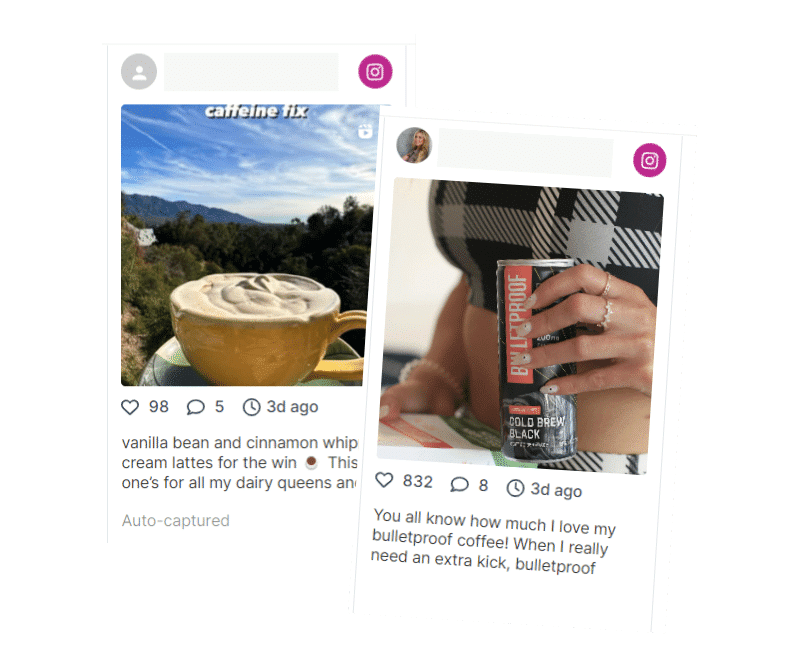
UGC or user-generated content is any material, such as text, pictures, videos, or reviews, that users produce. Unlike most other material, companies do not create this content. Instead, think of UGC as anything conceived by the people and shared for the people. Individuals produce and share UGC from their own perspectives and experiences. User-generated content stems from users’ viewpoints, ideas, and beliefs. Social media platforms are the primary outlets where users create and share their own content. Explore how two companies are crushing it with UGC.
V
W
X
Y
Z